Petition for Alien Relative Form I-130
Petition for Alien Relative Form I-130
Petition for Alien Relative Form I-130
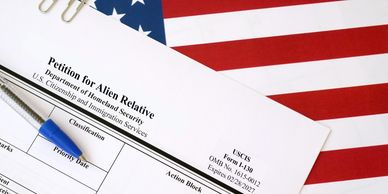
It is the first step for an eligible family member to eventually immigrate to the United States and obtain Legal Permanent Resident status.
Benefits: It allows family reunification so that eligible family members can live and work permanently in the United States.
DACA Form I-821D
Petition for Alien Relative Form I-130
Petition for Alien Relative Form I-130
This program began in 2012 for undocumented youth who came to the country as children (known as Dreamers).
Benefits: protection against the accumulation of illegal presence, allows you to apply for a work permit, access to higher education and protection against deportation, etc.
Work Permit Form I-765
Petition for Alien Relative Form I-130
Renewal of Permanent Residence Form I-90
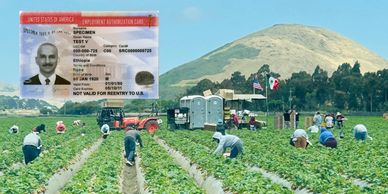
It is a legal document that allows certain foreigners with pending immigration applications to work legally in the United States.
Benefits: ability to work legally, access to better paying jobs and, sometimes, to apply for the Legal Permanent Resident process.
Renewal of Permanent Residence Form I-90
Renewal of Permanent Residence Form I-90
Renewal of Permanent Residence Form I-90
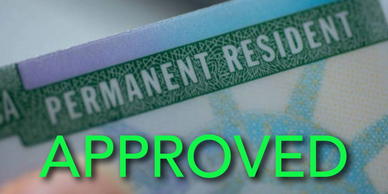
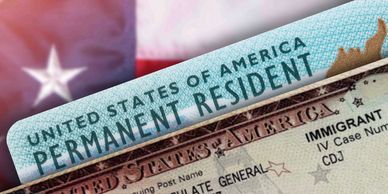
It is the process by which the renewal or replacement of the Legal Permanent Resident Card is requested.
Benefits: It serves as official proof of legal status in the United States and authorizes residence, work, and travel. It also facilitates future immigration applications for family members and the path to U.S. citizenship (naturalization).
Consular Process Form DS-260
Renewal of Permanent Residence Form I-90
K-1 Fiancé(e) Visa Form I-129F
The consular process begins once the I-130 form is approved. It consists of applying for an immigrant visa with the U.S. Department of State (DOS), at an embassy or consulate abroad.
Benefits: Approval culminates in the immigrant visa being stamped in the passport, allowing immediate travel to the United States and obtaining a permanent resident card.
K-1 Fiancé(e) Visa Form I-129F
Renewal of Permanent Residence Form I-90
K-1 Fiancé(e) Visa Form I-129F

The K-1 visa allows a U.S. citizen to bring their fiancé(e) to the United States for the purpose of getting married within 90 days of their arrival.
Benefits: Allows you to apply for Legal Permanent Resident status in the United States, as well as a work permit and travel document.
Adjustment of Status Form I-485
U Visa Form I-918
American Citizenship/Naturalization

It is the process by which certain foreigners physically present in the United States can apply for Legal Permanent Resident status without leaving the country.
Benefit: The applicant continues living in the United States and applies for a work permit and travel document while awaiting their Lawful Permanent Resident status. Eventually, they will apply for U.S. citizenship through naturalization.
American Citizenship/Naturalization
U Visa Form I-918
American Citizenship/Naturalization
Naturalization
Form N-400
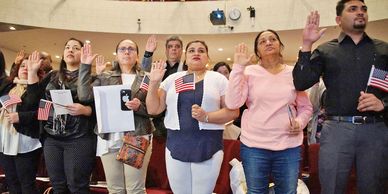
It is the process by which a Legal Permanent Resident, over 18 years of age and born outside the United States, becomes a U.S. citizen.
American Citizenship
Form N-600
There are two general ways to obtain citizenship through parents who are U.S. citizens: one at birth and another after birth, if the requirements are met.
Benefits: obtaining an official citizenship certificate, facilitating the acquisition of a U.S. passport, registering to vote, applying for legal immigration of family members to the United States, among others.
U Visa Form I-918
U Visa Form I-918
VAWA (Violence Against Women Act) Form I-360

The U visa is the legal nonimmigrant status for victims of certain crimes who have suffered mental or physical abuse (e.g., domestic violence, sexual assault, etc.) and who are willing to assist authorities in the investigation or prosecution of the crime.
Benefits: legal protection for victims of certain crimes in the United States, obtaining a work permit, protection against deportation, and a path to permanent residence (green card).
VAWA (Violence Against Women Act) Form I-360
VAWA (Violence Against Women Act) Form I-360
VAWA (Violence Against Women Act) Form I-360

It allows victims of abuse or extreme cruelty to file a self-petition for legal status based on the abuse suffered at the hands of certain U.S. citizen relatives or legal permanent residents.
Benefits: protection from deportation, work permit and obtaining Legal Permanent Resident status, if eligible.
Pardons for Inadmissibility
VAWA (Violence Against Women Act) Form I-360
FOIA (Freedom of Information Act)

These requests are made to eliminate the grounds for inadmissibility that prevent a foreigner from obtaining legal status. For example, illegal presence, fraud or misrepresentation, entry without permission, etc.
Benefit: The main benefit is to forgive the cause of inadmissibility, which can make it easier to obtain a visa, residency, or legal re-entry into the United States.
FOIA (Freedom of Information Act)
VAWA (Violence Against Women Act) Form I-360
FOIA (Freedom of Information Act)

It is a tool that allows people to request records, documents, and files held by federal agencies, such as immigration.
Benefit: It allows you to obtain a complete copy of the file and identify hidden problems, inconsistencies, or omissions in previous applications, in order to avoid making mistakes in future procedures.